
Here we are! It’s that time of year when our horses turn into woolly teddy bears. Cute but not practical especially if you exercise your horse regularly. This blog is designed to inform you of why clipping might be an option for you. Along with advise on when to clip, safety and different styles of clips for your horse.
Why do we clip horses?
As we all know as soon as the cold arrives our horses grow a thicker winter coat. This is perfect for horses that live outside without any rugs, their winter coat will protect them cold weather elements. That said if your horse is in regular work a winter coat can cause havoc. Making them sweat excessively. Sweating then leads to issues of trying to cool your horse down. The last thing you want is for your horse to catch a chill from then not being able to dry and regulate their temperature.
Horse Clipping minimises sweating and will enable him to dry and cool off more effectively. Horse clipping will prevent your horse from catching a chill and it will also cut down on grooming time. Clipping is also a great way to encourage their coat to grow back nicer and glossier for summer.
If your horse is living out all winter, it is advisable not to clip and ensure that they have suitable field shelter. You may still want to rug up to protect your horse from rain scald, mud and when it gets really cold. Most hardy types have winter coats designed to protect them from the elements, but do keep an eye on how your horse is coping.
When to clip?
Most horses are clipped in September or October. however, depending on the amount of work you do with your horse and the breed; will depend on when you will want/need to clip.
Some competition horses are clipped all year round to keep them cool, minimise sweating and keep them looking neat and tidy.
As the coat tends to grow very quickly between September and December you may need to clip every 3 to 4 weeks. For most people find two to three clips per winter is ample. You wouldn’t want to clip much later than February so not to interfere with the summer coat coming through.
Types of Clips for your horse
There are all sorts of clips and designs out there, some people like to get creative and design fun patterns to really stand out from the crowd!
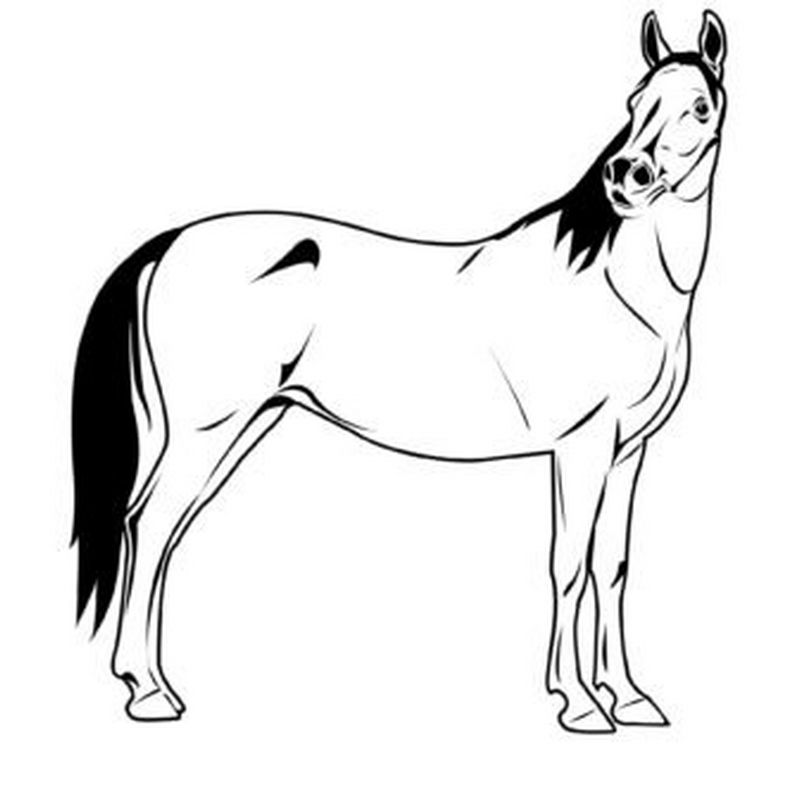
Full Clip – all the coat, including the legs, head and ears are removed.
The full clip should only be used for horses in hard competition work and with no turnout throughout the winter months.
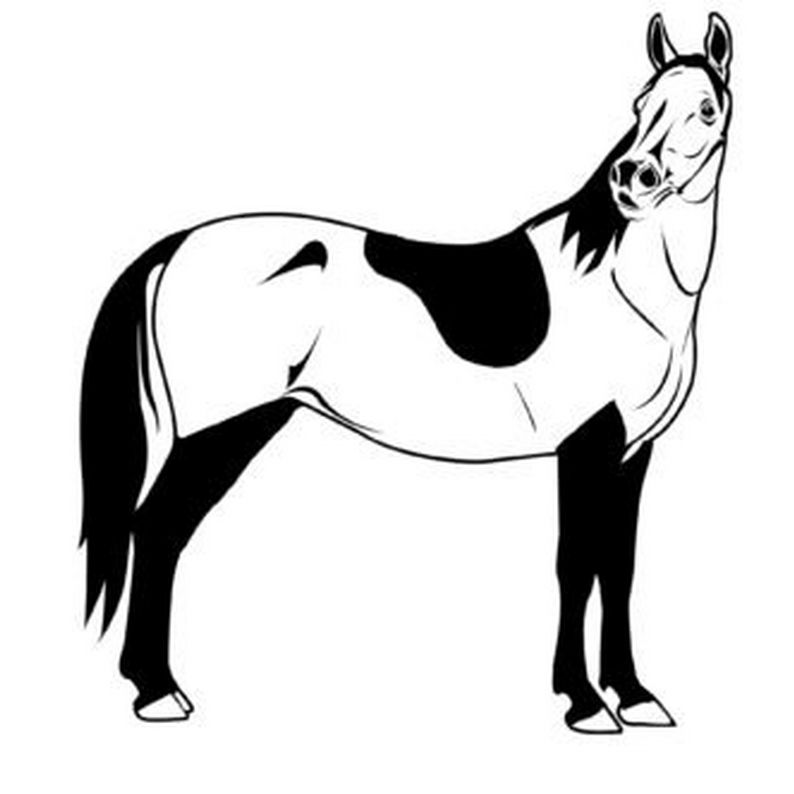
Hunter Clip – the majority of the coat is removed except for the saddle area and the legs.
The hunter clip provides protection from the saddle and leaving the hair on the legs provides warmth and protection.
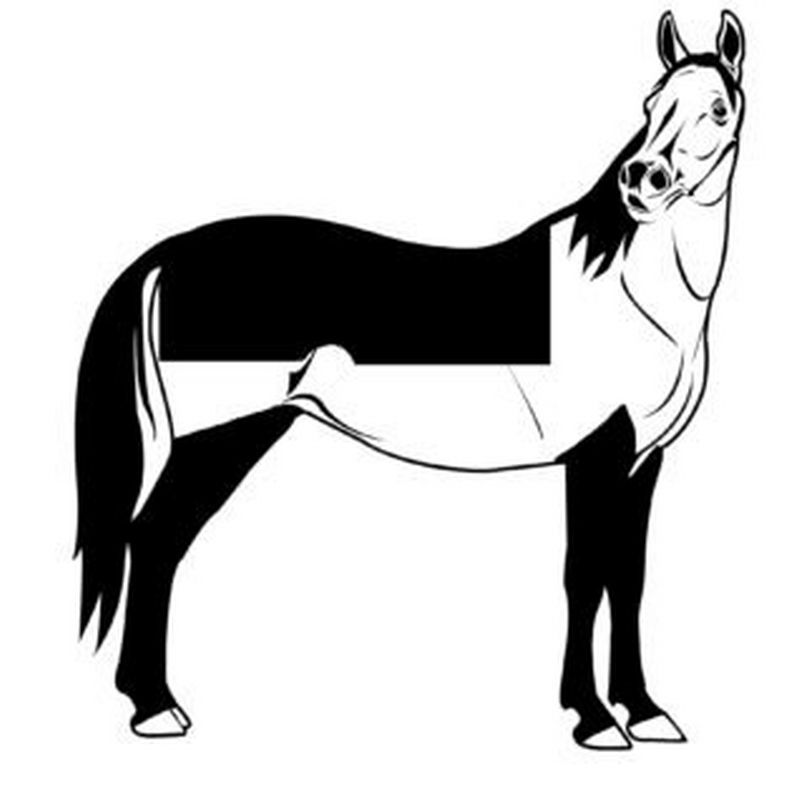
Blanket Clip – this clip leaves a blanket of coat from the withers to the point of the tail, half the head hair is removed and the legs are left on.
The blanket clip is perfect for horses in medium work who get turned out during the day when the weather permits. This clip provides warmth without excessive sweating.
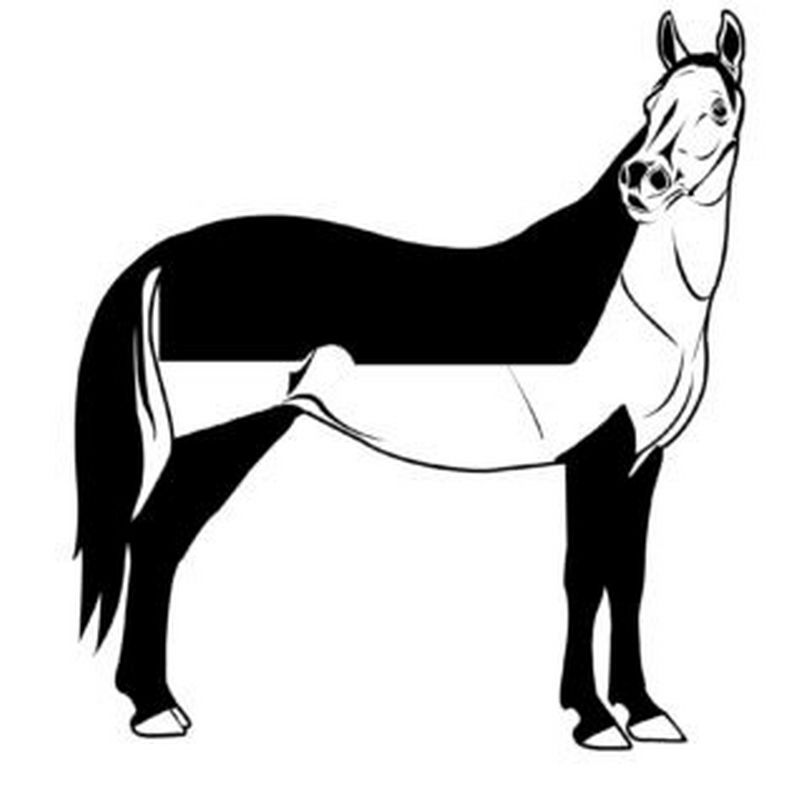
Chaser Clip – very similar to the blanket clip but leaves the hair on the top of the neck to provide warmth to the muscles here, again the legs are left on for extra warmth and protection.
The chaser clip is perfect for horses in medium work who get turned out during the day when the weather permits. This clip provides warmth without excessive sweating.
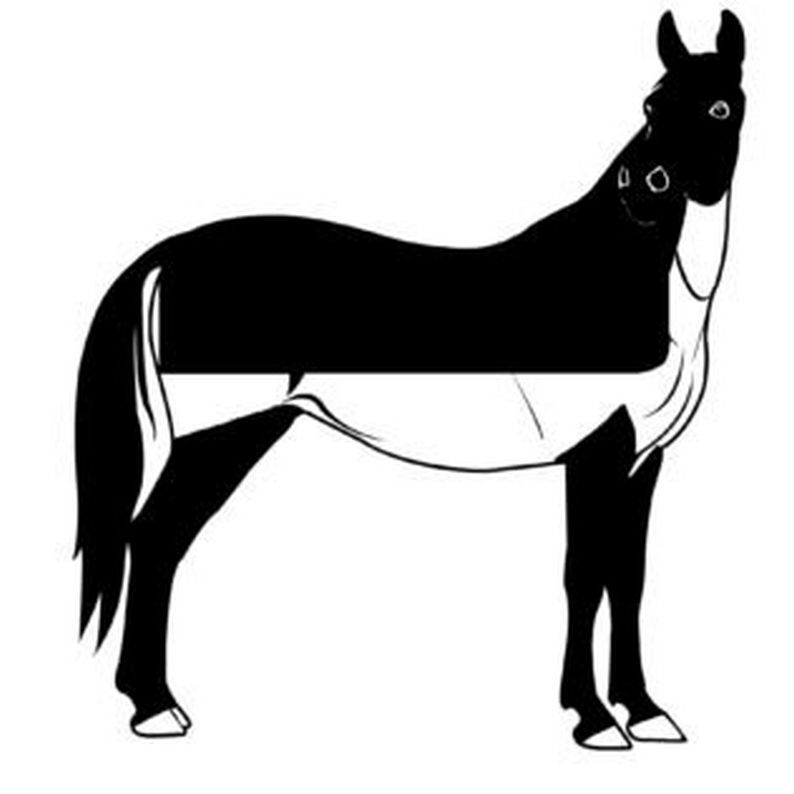
Trace Clip – the trace clip is similar to the chaser clip but it leaves most of the hair on the head and only half the neck is removed, again the legs are left on.
The trace clip is ideal for horses in moderate work and turned out during the day, as it removes the hair where excessive sweating can occur but still ensures your horse will stay warm.
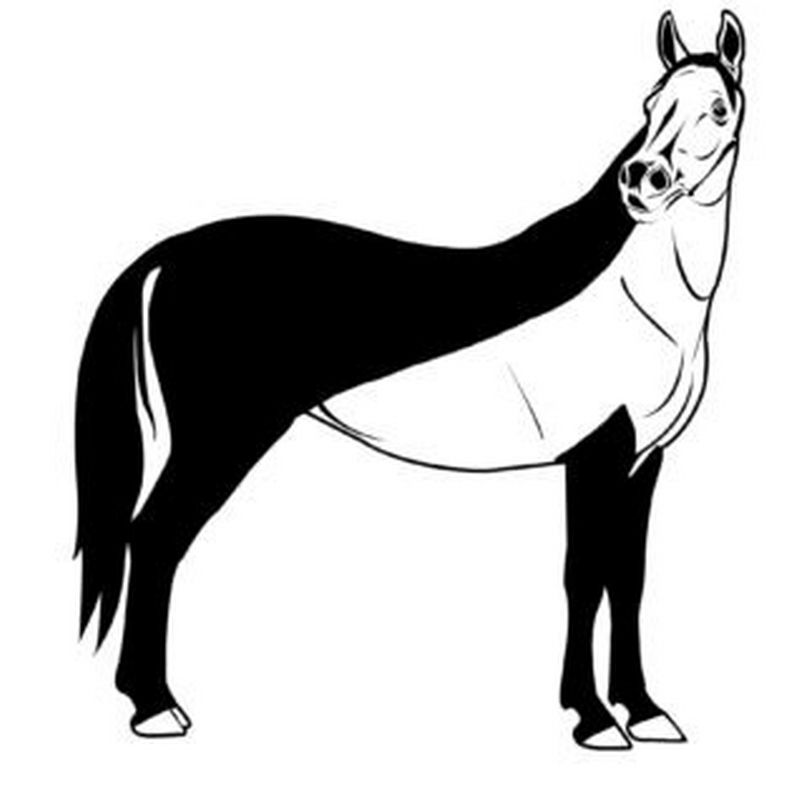
Irish Clip – removes the hair from where your horse sweats the most which is around the neck and armpits, you can remove the whole head of hair and clip from the poll to the point of the stifle. Leaving the hindquarters, hind legs and forelegs with hair.
The Irish clip is ideal for young horses or horses in light work and those turned out during the day, a quick and simple clip to do.
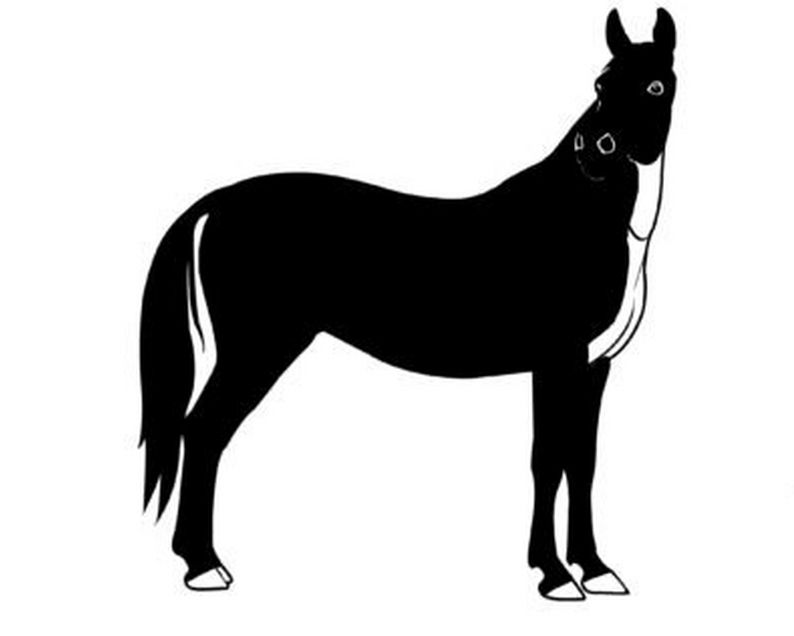
Bib Clip – removes the hair from the front of the neck and chest, sometimes the clip is continued under the belly to the girth position (Neck & Belly Clip).
The bib clip is ideal for horses in very light work and that are turned out throughout the winter.
Careful management of your horse is required to ensure they are suitably rugged once clipped. You should ensure they do not get cold, especially if they have a full clip as the horse will have no protection from the cold.
If your horse is turned out all winter careful rugging and shelter will be required and minimum hair removable is advisable.
Things to consider before clipping your horse:
- Has your horse been clipped before? Does he need to build his confidence with the clippers?
- Will your horse be stabled?
- Will your horse have any turn out over the winter months?
- How much work is your horse doing?
- How much does your horse sweat?
- Is your horse a cold or warm horse? How much does your horse feel the cold?
- What rugs do you already have and what rugs are you prepared to buy (budget)?